NYFA LEADERS' DIGEST, THE MAN WHO SAW THE FUTURE: ATIKU ABUBAKAR'S STANCE ON INCLUSIVITY
In the midst of a burgeoning democracy, Nigeria stands at a critical juncture, where the trajectory of its sociopolitical development hangs precariously in the balance. The recent designation of Nigeria as a Country of Particular Concern by the United States has ignited a maelstrom of debate, casting a spotlight on the nation's leadership and its ability to navigate the complexities of a diverse and vibrant populace.
11/1/20252 min read
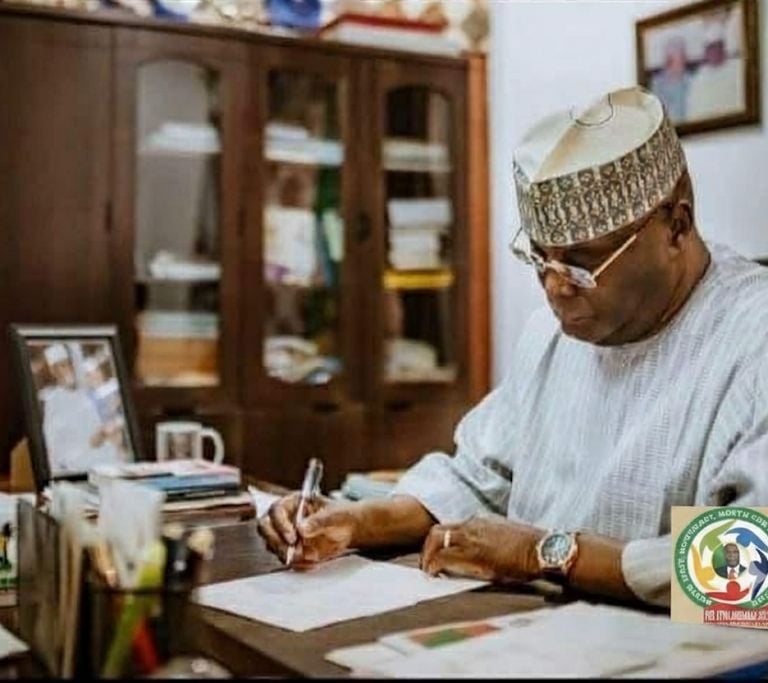
In the midst of a burgeoning democracy, Nigeria stands at a critical juncture, where the trajectory of its sociopolitical development hangs precariously in the balance. The recent designation of Nigeria as a Country of Particular Concern by the United States has ignited a maelstrom of debate, casting a spotlight on the nation's leadership and its ability to navigate the complexities of a diverse and vibrant populace.
The decision of His Excellency Alhaji Atiku Abubakar to reject the Muslim-Muslim ticket in the political landscape of Nigeria assumes a profound significance, warranting a nuanced examination of its implications for the nation's unity and stability.
Atiku's stance demonstrates a commitment to upholding the principles of inclusivity and diversity that are essential for a harmonious society. Through his refusal to endorse a ticket that could potentially exacerbate religious divisions, Atiku demonstrates leadership that prioritises the unity of the nation above self-interest.
The complexities of Nigeria's religious demographics necessitate careful consideration in political decision-making. The country's history has shown that religious tensions can have significant impacts on social cohesion. In this context, Atiku's decision to reject the Muslim-Muslim ticket can be seen as a strategic move aimed at mitigating potential conflicts and promoting a more inclusive political environment.
On the other hand, the decision by Ahmed Bola Tinubu to pursue a Muslim-Muslim ticket has attracted international attention and criticism. The recent designation of Nigeria as a Country of Particular Concern by the United States underscores the potential consequences of such decisions. This development highlights the importance of considering the international implications of domestic political choices.
The international community's scrutiny of Nigeria's political decisions underscores the need for leaders to prioritise actions that promote national unity and stability. In this context, Atiku's leadership style, which emphasises inclusivity and diversity, is particularly noteworthy. His commitment to promoting national unity and stability is a testament to his leadership abilities.
More so, the role of political leaders in shaping the trajectory of a nation can not be overstated. Their decisions have far-reaching consequences that can impact not only the domestic landscape but also the country's international reputation. As such, it is essential for leaders to consider the long-term implications of their actions and prioritise decisions that promote the common good.
In addition, the Nigerian government can benefit from engaging in dialogue with various stakeholders to promote a more inclusive and cohesive society. By working together, leaders can build a nation that is united in its diversity and resilient in the face of challenges. This approach can help to mitigate potential conflicts and promote a more stable political environment.
Ultimately, the future of Nigeria depends on the collective efforts of its leaders and citizens. Through prioritising national unity and stability, Nigeria can overcome its challenges and build a brighter future for generations to come. The international community's response to Nigeria's political decisions serves as a reminder of the importance of responsible leadership.
In sum, Atiku's decision to reject the Muslim-Muslim ticket is a demonstration of his commitment to promoting national unity and stability. As Nigeria moves forward, it is essential for its leaders to prioritise decisions that promote inclusivity, diversity, and national cohesion, thus, building a nation that is united, stable and prosperous for all its citizens.
Signed
Dare DADA
Director General
Nigerian Youths For Atiku